Dental Implants Calabasas CA: Myths and Facts
If you spend enough time around dental offices, community forums, or family dinner conversations, you start to hear the same claims about implants repeated with total confidence. They are too painful. They only work for older adults. They always look fake. They fail all the time. They are a luxury procedure with no practical value. A few of these beliefs come from outdated experiences. Others come from confusing one kind of treatment with another. Some are rooted in fear, which is understandable when the subject involves surgery, cost, and your smile.
For patients researching Dental Implants Calabasas CA, the hardest part is often separating rumor from reality. Implant treatment has become far more predictable than many people realize, but it is not magic and it is not identical for every patient. Good care depends on anatomy, planning, health history, bone quality, bite forces, and the skill of the clinical team. The truth sits in the middle, where most worthwhile medical decisions live.
This subject deserves a practical, plainspoken look. Not marketing language, not scare stories, and not a one size fits all answer. Just what tends to be true in real practice, what deserves caution, and what patients should understand before making a decision.
Why implants are discussed so often
Missing teeth affect more than appearance. People usually notice chewing changes first. They start favoring one side, avoiding crunchy foods, or cutting food into smaller pieces without thinking much about it. Speech can shift too, especially when front teeth are missing. Then there is the social side, which can be more significant than many patients admit at first. Even confident adults often describe a habit of smiling with their lips closed, covering their mouth when laughing, or declining photos.
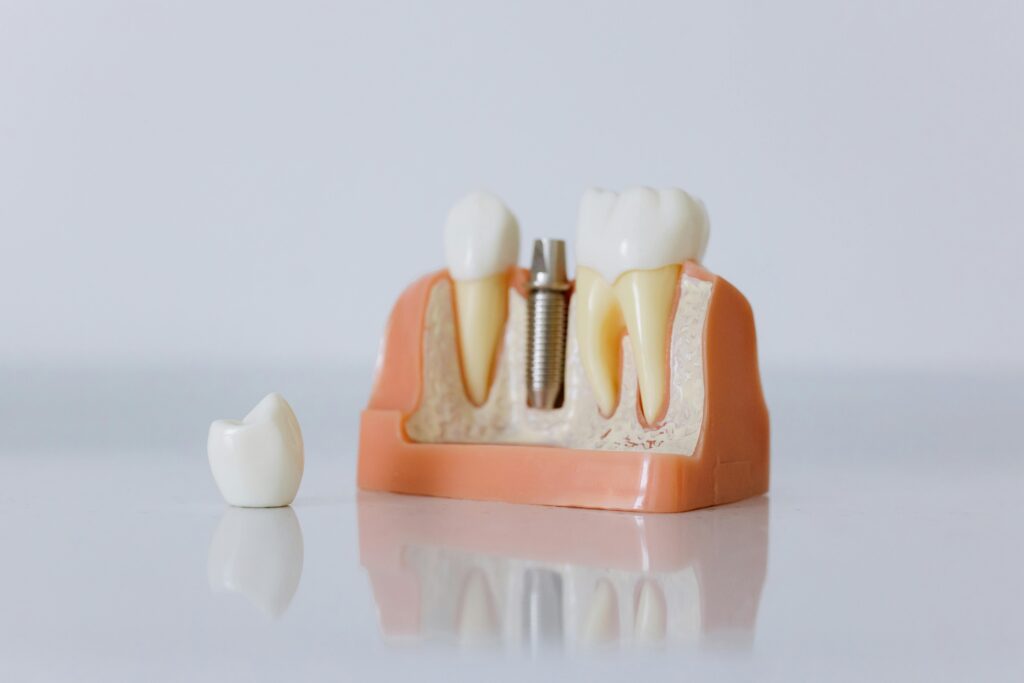
Traditional bridges and removable dentures still have an important place in dentistry. They solve real problems and can be excellent choices in the right circumstances. Implants, though, offer something different. They replace a tooth root as well as the visible crown, which changes the conversation about stability, chewing force, and long term bone support.
That is why discussions around Dental Implants Calabasas CA come up so frequently. People are not just shopping for cosmetic work. They are usually trying to recover function, protect nearby teeth, and feel normal again.
Myth: getting a dental implant is extremely painful
This is one of the most persistent myths, and it keeps many good candidates from even scheduling a consultation.
The reality is that most patients report less discomfort than they expected. That does not mean treatment is painless in every case. It is a surgical procedure, and surgery can bring soreness, swelling, pressure, and a few days of dietary adjustment. But the common image of unbearable pain is usually inaccurate. In routine cases, placing a single implant can be more manageable than a difficult tooth extraction.
Part of the confusion comes from timing. Patients often lump every stage together, consultation, extraction if needed, grafting, implant placement, healing, and final crown delivery, then imagine one long painful event. In practice, the process is staged. Each step has its own recovery profile. A straightforward implant in healthy bone may involve surprisingly little downtime. A full mouth reconstruction or major grafting case is a different experience entirely.
Pain perception also depends on preparation. A patient who understands what pressure feels like versus sharp pain, knows how to use ice, takes medications as directed, and sticks to soft foods for the first few days usually recovers more comfortably than someone who goes in tense and unprepared. Anxiety tends to amplify every sensation. Good clinicians know this and spend time setting expectations, not just scheduling the surgery.
Fact: implant treatment is more planning intensive than many patients expect
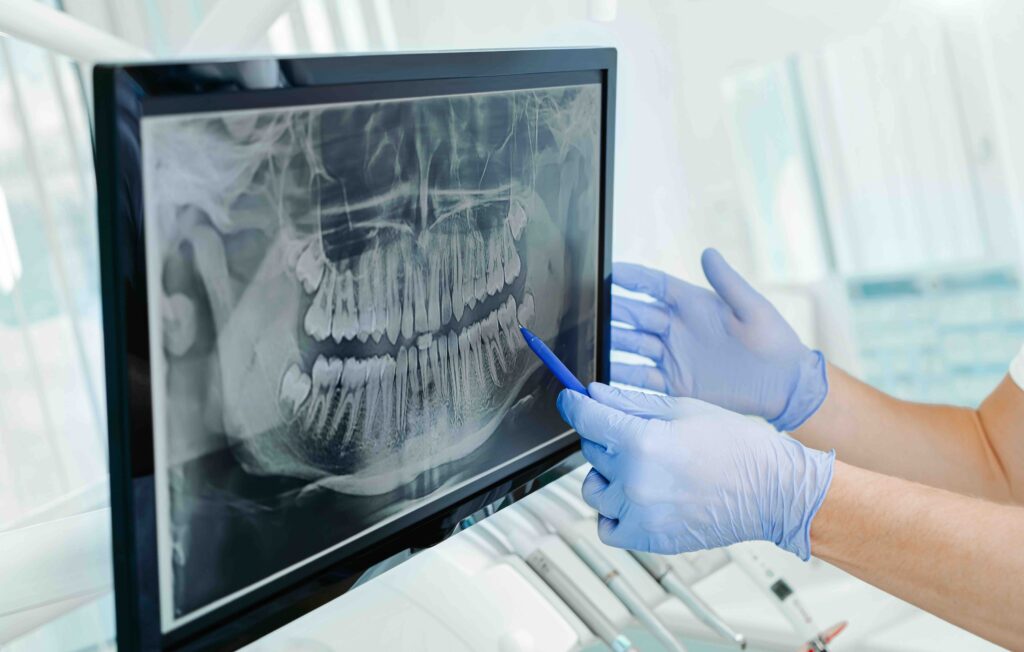
An implant may look simple once the final crown is in place, but the planning behind a well done case can be meticulous. Dentists evaluate bone height, width, density, gum condition, spacing, bite patterns, habits like clenching, medical conditions, and esthetic demands. In visible areas, especially the upper front teeth, tiny decisions make a huge difference in the final result.
Three millimeters in the wrong direction can be the difference between a tooth that looks natural and one that looks too long, too flat, or oddly positioned. The implant itself is only part of the outcome. Gum contours, neighboring teeth, smile line, and the architecture of the tissue all matter.
This is one reason experienced providers do not rush candidates into treatment. A person can be eager, financially ready, and highly motivated, but still need gum therapy, extraction healing, or bone grafting first. That is not a sign that implants are failing. It is usually a sign that someone is planning carefully.
Myth: anyone can get implants right away
Not every patient is an immediate candidate, and not every site is ready on day one.
People often assume that if a tooth is missing, an implant can simply be inserted where the old tooth was. Sometimes that is possible. Immediate placement can work beautifully in selected cases, particularly when infection is controlled, bone walls are intact, and the bite allows protection during healing. But many mouths do not present that neatly.
Bone resorbs after teeth are lost. The longer a space has been empty, the more likely it is that the ridge has narrowed or flattened. Gum disease, trauma, smoking, uncontrolled diabetes, and long term denture wear can complicate the picture further. Some patients need grafting. Others need sinus elevation in the upper back jaw. A few need orthodontic movement first because adjacent teeth have tipped or drifted into the space.
This is where myths can create disappointment. A patient may arrive expecting a one visit transformation because they saw an advertisement or heard a friend describe a very simple case. Then they learn their own anatomy requires staging. That does not mean implants are off the table. It means biology sets the pace.
Fact: age matters less than health and bone quality
There is a common assumption that implants are mostly for seniors, or on the opposite extreme, that younger adults can always heal better and therefore make ideal candidates. Both ideas miss the point.
What matters more is whether jaw growth is complete, whether the person can heal predictably, and whether the supporting tissues are healthy enough to maintain the implant over time. A healthy 72 year old with good bone and excellent home care can be a stronger candidate than a 38 year old heavy smoker with untreated periodontal disease and uncontrolled blood sugar.
Younger patients raise a separate issue. If facial growth is not complete, placing an implant too early can create esthetic and positional problems years later because the natural teeth continue to move and the implant does not. This is one reason careful timing is crucial in teens and very young adults.
For older adults, the conversation is often encouraging. Many assume they have aged out of implant treatment when they have not. Medications, bone density, dexterity, and medical history all need review, of course. Still, chronological age alone rarely tells the full story.
Myth: implants are purely cosmetic
Aesthetic improvement is real, and for front teeth it can be life changing. Still, reducing implants to cosmetics ignores their functional role.
A single missing molar changes chewing mechanics. The opposing tooth can over erupt. Nearby teeth can drift. Food traps form more easily. The bite gradually destabilizes. In multi tooth loss, the effects multiply. Patients often adapt so slowly that they do not recognize how much function they have lost until it is restored.
Implants can help preserve bone in ways removable options cannot fully duplicate. They also let clinicians replace missing teeth without preparing adjacent healthy teeth for a bridge in many cases. That detail matters. Once a natural tooth is reduced for a traditional bridge, it becomes part of the restoration plan whether it needed treatment before or not. Sometimes that is still the best path, but it is not a neutral choice.
The practical value of implants is especially obvious in lower dentures. Many denture wearers struggle for years with movement, sore spots, and a constant fear of slipping while speaking. Even two well placed implants to retain a denture can significantly improve stability and confidence.
Where myths usually start
Most misconceptions do not appear out of nowhere. They usually come from one of a handful of experiences:
- someone heard a worst case story and assumed it applied to every case
- a patient had treatment years ago before current imaging and planning methods were common
- an implant failed because of smoking, grinding, or poor maintenance, but those details were left out
- advertising made the process sound instant and effortless, which set unrealistic expectations
- people confuse the cost, feel, and upkeep of dentures, bridges, and implants
Once those stories circulate, they gain momentum because dental fear spreads quickly. Negative experiences are told with great detail. Smooth recoveries rarely become dramatic stories.
Fact: success rates are high, but not automatic
Implants have strong long term data behind them, especially when placed in healthy bone and maintained properly. That said, high success does not mean guaranteed success. The distinction matters.
Failure can happen early, before the implant bonds well with bone, or later after years of function. Early problems may involve infection, micromovement during healing, poor bone quality, or excessive pressure. Late complications may relate to peri implant disease, heavy grinding, poor prosthetic design, neglected maintenance, or general health changes.
A patient once described implants to me as “permanent, like a rock.” That image is understandable but misleading. Implants are durable medical restorations, not indestructible objects. The crown can chip or wear. Screws can loosen. Gum tissue can become inflamed. Bone can be lost if plaque accumulates and maintenance slips. Natural teeth are not maintenance free either, and implants certainly are not.
The better way to think about success is this: implants are reliable when the case is selected well, the treatment is executed carefully, and the patient respects maintenance. Every one of those pieces matters.
Myth: if you have bone loss, implants are impossible
Bone loss complicates treatment, but it does not automatically end the discussion.
Dentistry now has several ways to manage reduced bone volume, depending on location and severity. Socket preservation at the time of extraction can help limit shrinkage. Ridge augmentation can rebuild deficient areas. In the upper back jaw, sinus grafting may create enough support for implant placement. In some cases, clinicians can angle implants strategically to use available bone and avoid more extensive grafting. There are also situations where short implants or alternative prosthetic designs are appropriate.
The catch is that each of these options involves trade offs. More grafting can mean more healing time, more appointments, and more cost. Anatomical limitations may still affect ideal tooth position or final design. Some patients decide that the added steps are worthwhile. Others prefer a bridge or removable solution. Neither choice is inherently wrong. Good treatment planning should make those trade offs clear rather than hiding them behind a sales pitch.
Cost is real, and so is value
It would be dishonest to talk about implants without addressing money plainly. Implant treatment can be expensive, especially in complex cases. By the time imaging, extraction, grafting, implant placement, abutment, and final crown are included, the total can be substantial. Full arch treatment is in another category altogether.
That sticker shock is one reason myths thrive. When people hear a high price, they instinctively look for reasons to reject the option. “They fail anyway” becomes an easier belief to hold than “This is a meaningful investment, and I need to decide whether it fits my priorities and budget.”
But cost should be weighed against service life, maintenance, and what is being preserved. A bridge may have a lower upfront fee, yet involve preparing two adjacent teeth that may need future retreatment. A removable partial may cost less initially, but some patients never tolerate it well and stop wearing it. Dentures may solve one problem while creating another if fit and stability remain poor.
There is no universal bargain in dentistry. The least expensive option today is not always the least expensive over fifteen years. The most expensive option is not always the wisest either. Value depends on diagnosis, expectations, and how long the result is likely to serve the patient well.
What a thoughtful consultation should cover
When patients explore Dental Implants Calabasas CA, the consultation should feel specific, not generic. You should come away with a clearer understanding of your own case rather than a memorized script about implants in general.
A strong consultation usually addresses several practical questions. Is the site infected? Is there enough bone now, or is grafting likely? How many stages are needed? What are the risks if treatment is delayed? How will the temporary phase look and function? What maintenance will be required? If an implant is not the best choice, what are the alternatives and why?
The best clinicians also talk about bite forces, clenching, and long term wear. Those details are not glamorous, but they often determine how a restoration performs in the real world. A beautifully placed implant can still struggle if the final bite is overloaded or the patient has a severe nighttime grinding pattern without protection.
Myth: once the implant is in, you are done forever
This belief causes more long term trouble than almost any other.
Implants require maintenance, both at home and in the dental office. Plaque does not ignore titanium. Inflammation around implants can progress quietly because patients do not feel the same symptoms they expect from a natural tooth. Bleeding, tenderness, and pocketing around implants deserve attention, not casual dismissal.
At home, technique matters. Brushing alone may not be enough in every design, especially around implant bridges or full arch restorations. Some patients need floss threaders, interdental brushes, or water flossers to keep under and around prosthetic contours clean. In office maintenance may involve special instruments and periodic radiographs to monitor bone levels and component integrity.
These habits are not burdensome once established, but they do require consistency. The “set it and forget it” mentality is one of the fastest ways to shorten the life of expensive treatment.
A few practical signs that expectations are realistic
Patients tend to do best when they enter treatment with grounded expectations. That does not mean low expectations. It means accurate ones.
- healing may be straightforward, but it still takes time
- the temporary phase can be awkward, especially in visible areas
- ideal esthetics sometimes require additional procedures, not just an implant
- maintenance is ongoing and part of the investment
- alternatives may be more appropriate in some mouths
Realistic expectations make decision making calmer. They also reduce the frustration that comes from comparing your own treatment to somebody else’s very different case.
The local factor in Calabasas
People searching for Dental Implants Calabasas CA are often balancing more than clinical information. They are considering convenience, trust, scheduling, follow up care, and whether they want treatment coordinated in one office or shared between a general dentist and specialist. Those factors matter. Implant care is not a product picked off a shelf. It is a sequence of decisions and appointments, and good communication among providers can make the experience far smoother.
Calabasas patients also tend to be discerning about esthetics, especially in the smile zone. That raises the bar in a good way. Replacing a front tooth is not just about filling a gap. Shade, translucency, gum symmetry, and facial harmony all come into play. Patients should feel comfortable asking to see before and after cases that resemble their own situation, particularly for highly visible teeth.
At the same time, a local reputation for polished cosmetic work should not overshadow the biological basics. Attractive photographs are not a substitute for stable bone, healthy tissue, and sound function. The best implant results combine both.
When an implant may not be the best first choice
There are times when restraint is the smartest clinical move. Active periodontal disease should be Dental Implants Calabasas CA controlled first. Heavy smokers may need a frank risk discussion before proceeding. Severe clenchers may require bite management and protective appliances. Patients struggling with home care or sporadic follow up may not be good candidates for extensive implant treatment until those habits improve.
Sometimes the issue is emotional readiness. A person may be exhausted after emergency extractions, embarrassed by missing teeth, and eager to fix everything immediately. That urgency is understandable, but it can push decisions too fast. In complex cases, slowing down can protect the final outcome.
There are also situations where saving a natural tooth remains preferable if the prognosis is reasonable. Implants are excellent tools, not trophies. Replacing a salvageable tooth just because implants are available is not inherently sophisticated treatment. Good dentistry often means preserving what can be preserved and replacing only what truly cannot.
The plain truth
Most of the fear around Dental Implants Calabasas CA implants comes from all or nothing thinking. People imagine either a flawless permanent solution with no maintenance or a painful expensive failure waiting to happen. Real life lands between those extremes.
Dental implants can be one of the most effective treatments modern dentistry offers. They can restore chewing, support facial confidence, stabilize prosthetics, and help preserve bone. They can also involve surgery, healing time, expense, and the need for disciplined maintenance. Both sides are true at once.
If you are considering Dental Implants Calabasas CA, the most useful step is not believing the boldest promise or the scariest myth. It is getting a careful evaluation, asking direct questions, and understanding your own anatomy, risks, timeline, and alternatives. Once you have that, the decision tends to become much clearer, and far less intimidating.
Oaks Dental
5000 Parkway Calabasas, Suite 308
Calabasas, CA 91302, United States
Phone: +1 (818) 412-8349
FAQ About Dental Implants Calabasas CA
How much does a dental implant cost in California?
Costs vary with the number of teeth replaced, restoration type, imaging, and any extractions or bone grafting. Request an itemized estimate after an examination; a single advertised price may not include every treatment stage.
Can people with autoimmune disease get dental implants?
Some people may qualify, but the condition, medications, oral health, and healing risks require individual assessment. Share your medical history with your dentist, who may coordinate with your treating physician.
Can you have dental implants if you have osteopenia?
Osteopenia does not by itself establish whether implants are suitable. Your dentist must evaluate jawbone support and review bone-related medications and other risks before recommending treatment.
Ends · MYLESLRXF799